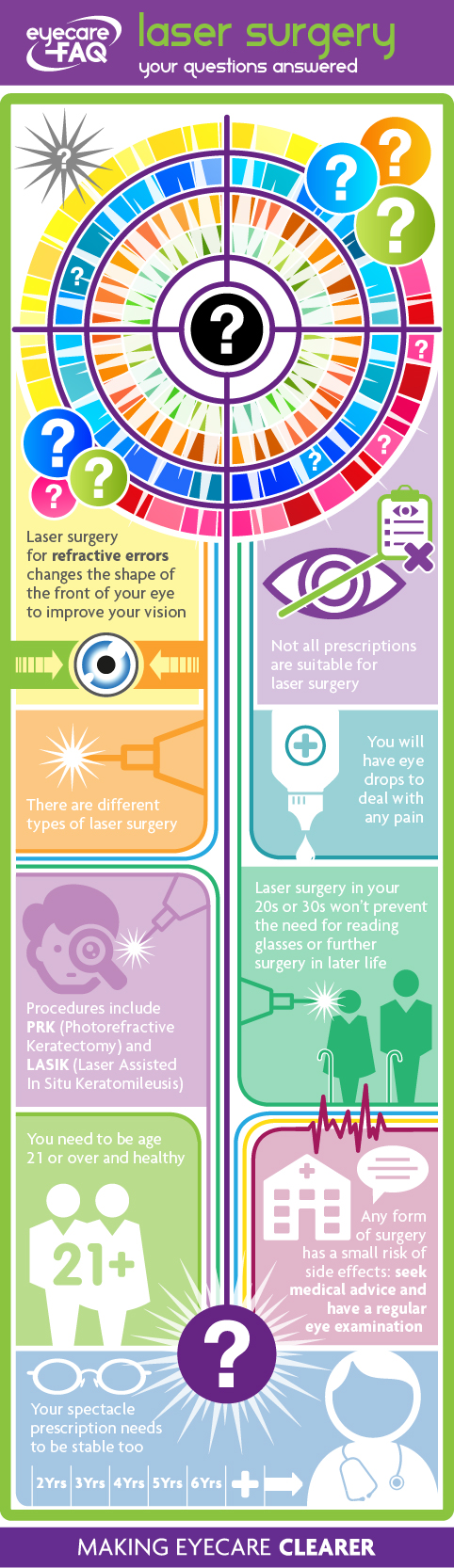
If you're battling with high nearsightedness, you could be wondering if Refractive Lens Exchange (RLE) can be the remedy. This treatment changes your natural lens with a tailored intraocular lens, aiming to improve your vision significantly. While several locate success with RLE, it's important to evaluate the benefits against prospective threats. Understanding exactly how RLE functions and what it involves can aid you make an informed decision about your eye health and wellness. What should you take into consideration prior to proceeding?
What Is Refractive Lens Exchange (RLE) and How Does It Function?
Refractive Lens Exchange (RLE) is an operation focused on fixing vision troubles by replacing the eye's all-natural lens with an artificial one.
During the treatment, your eye specialist makes a tiny cut and removes your existing lens. They then insert a personalized intraocular lens (IOL) customized to your specific vision needs.
This procedure not just addresses refractive mistakes like myopia however additionally relieves issues associated with cataracts.
RLE commonly takes concerning 15-30 mins per eye and is done under neighborhood anesthesia for your convenience.
After the surgery, you'll take pleasure in a quicker healing time contrasted to standard cataract surgery.
It's important to follow your doctor's post-operative directions for optimal outcomes and a smooth healing procedure.
The Advantages of RLE for Managing High Nearsightedness
If you're having problem with high myopia, RLE offers an appealing solution that can substantially boost your vision. This treatment replaces your eye's all-natural lens with a fabricated one, enabling a much more precise improvement of your refractive errors.
Unlike conventional approaches like glasses or get in touches with, RLE addresses the hidden problem directly, giving clearer vision at numerous ranges.
Furthermore, RLE can lower your reliance on rehabilitative glasses, providing you the freedom to appreciate everyday activities without hassle.
You'll also take advantage of a reduced threat of developing cataracts later on in life, as RLE replaces the lens before age-related changes occur.
With a quick healing time, lots of individuals experience enhanced vision within days, making RLE an eye-catching alternative for handling high myopia.
What Are the Threats and Factors To Consider of RLE?
While RLE can offer substantial advantages, it's vital to think about the prospective risks included. You might experience complications like infection, blood loss, or retinal detachment, which can affect your vision. Some clients report glow, halos, or difficulty with evening vision after the procedure.
Additionally, there's an opportunity your prescription will not support, requiring more changes or treatments. Carrot LASIK & Eye Center Outpatient Surgery ought to additionally consider your total eye wellness and any type of pre-existing conditions, as these can affect results.
It's important to pick a certified doctor that specializes in RLE to reduce dangers. Make sure to have a comprehensive conversation with your eye treatment expert concerning your expectations and worries before deciding if RLE is appropriate for you. Being notified will aid https://writeablog.net/tammie18king/7-life-altering-benefits-of-refractive-lens-exchange make the most effective choice for your vision.
Conclusion
In conclusion, Refractive Lens Exchange (RLE) can be a game-changer for those struggling with high nearsightedness. It uses clear vision and less dependence on glasses or calls. Nevertheless, it's important to weigh the benefits against potential dangers. Before deciding, have an open discussion with your eye treatment specialist to guarantee you understand all facets of the procedure. With the best details, you can make a choice that finest suits your vision needs.